


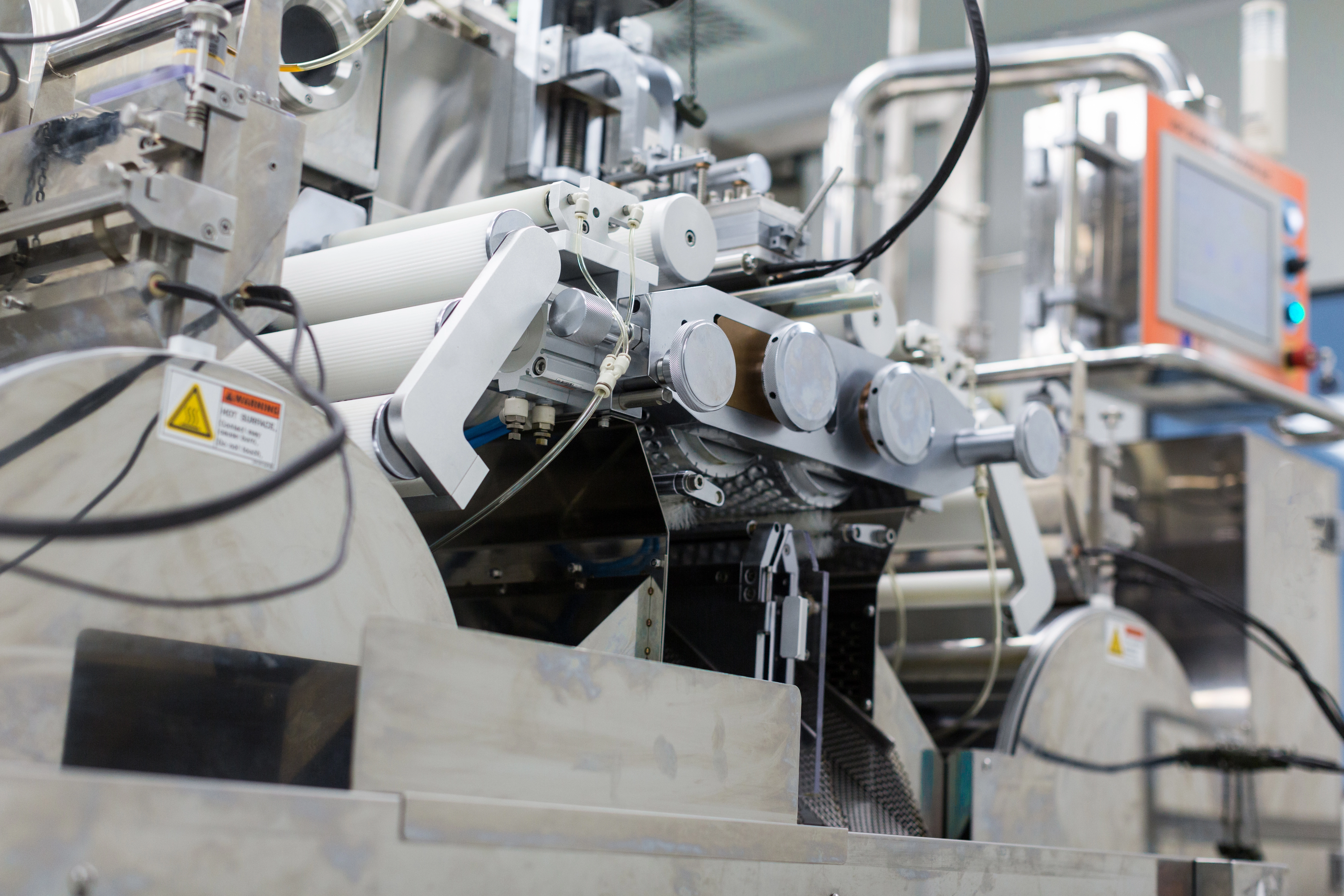
In a world where industrial productivity decides the pace of innovation, SPM—better known as Special Purpose Machines—has become the silent turbo-engine behind manufacturing efficiency. From automotive and aerospace to electronics, packaging, and heavy engineering, every major industry depends on specially engineered machines that can outperform conventional systems.
For businesses seeking precision, repeatability, and automation-driven output, SPM machines have become indispensable. Companies like Master Linque Automation are reshaping how industries operate by designing custom-built automation systems that outperform generic solutions.
In this comprehensive guide, we explore what SPM means, why it’s crucial in modern production, and how specialized manufacturers play a vital role in delivering performance-oriented automation. For anyone searching for the best spm machine, spm automation, spm engineering, or special purpose machine manufacturers, this article provides clarity and insight.
What Is SPM? Understanding the Full Form and Meaning
One of the most commonly searched queries is:“SPM machine full form” or “SPM full form in machine.”
SPM Full Form
SPM → Special Purpose Machine
As the name suggests, a Special Purpose Machine is a custom-engineered, tailor-made machine designed to perform a specific operation or a series of operations in the most efficient way possible. Unlike standard machinery available off-the-shelf, an SPM machine is built to meet unique production needs.
Why SPM Machines Exist
Manufacturers who require:
- Higher productivity
- Greater precision
- Lower cycle time
- Reduced manpower dependency
- Improved quality consistency
- Customization to match exact production needs
- Automation-driven for minimal human intervention
- Higher throughput compared to standard machines
- Long-term cost savings due to improved efficiency
- Enhanced safety with integrated sensors and controls
- Greater accuracy and consistency across thousands of shifts
- Drilling and tapping operations
- Engine component machining
- Assembly automation
- Leak testing
- Bearing fitment
- Inspection and quality validation
- PCB assembly
- Coil winding
- Connector manufacturing
- Housing assembly
- Micro-component testing
- Bottle filling
- Labeling
- Cartoning
- Pouch sealing
- Strong domain knowledge
- Innovative mechanical design
- Advanced automation integration
- High-precision engineering
- Understand your process thoroughly
- Analyze bottlenecks in your current system
- Develop a custom strategy
- Build a special machine that enhances productivity
- Provide long-term support and upgrades
- Hands-free operation
- Real-time monitoring
- Sensors for error elimination
- PLC-based control systems
- IoT-enabled data collection
- Better operator safety
- Higher efficiency and uptime
- Your product
- Your production needs
- Required accuracy
- Cycle time targets
- Existing automation challenges
- Mechanical configuration
- Fixture design
- Motion control systems
- Tooling layout
- Power and load calculations
- Safety systems
- Human–machine interaction
- Years of expertise in SPM machine design and engineering
- Advanced automation solutions
- High-quality manufacturing standards
- A dedicated team for R&D
- End-to-end project execution
- Strong after-sales and technical support
- Experience with complex industrial projects
- Strong engineering and design capabilities
- Custom-built solutions, not off-the-shelf machines
- Advanced automation know-how
- Proven installation record
- Robust technical support
- Ability to upgrade systems when required
- IoT-enabled SPM systems
- AI-driven quality control
- Predictive maintenance
- Robotic integration
- Machine learning-based performance optimization
- Fully autonomous production lines
- Automotive Industry
- Electronic Industry
- Electrical Industry
- FMCG Industry
- Aerospace Industry
often discover that standard machines simply can’t keep up with their increasing production demands. And this is where SPM machines enter the picture.
What Makes SPM Machines Different from Conventional Machines?
A conventional machine—like a typical drilling, milling, or turning machine—is designed for general tasks. It performs adequately but isn’t optimized for speed or large-volume manufacturing.An SPM machine, however, is engineered specifically for one dedicated operation, making it faster, more accurate, and more reliable for that particular task.
Key Features That Make SPM Machines Superior
In industries like automotive, where a single part must be replicated in millions with identical precision, SPM automation becomes not just beneficial—but essential.
Industries That Rely on Special Purpose Machines
The demand for special machines continues to explode across sectors. Some industries where SPM automation is revolutionizing operations include:1. Automotive IndustrySPM engineering is widely used for:
2. Electrical & Electronics Special purpose machines help automate:
3. Aerospace Sector Where precision is non-negotiable, SPM machines deliver unparalleled repeatability for components with tight tolerances.
4. Packaging Industry Advanced SPM machine design is used for:
5. Consumer Goods Manufacturing From household appliances to lifestyle products, SPM automation accelerates mass-scale assembly.
6. Heavy EngineeringIndustries requiring machining of complex metal parts depend heavily on special purpose machines.
The Role of Special Purpose Machine Manufacturers
The effectiveness of an SPM system depends heavily on the expertise of the engineering team behind it. A leading manufacturer like Master Linque Automation brings together:Experience in handling customized industrial challenges
These manufacturers don’t just build machines; they build solutions that solve real industry problems.
Why Choosing the Right SPM Manufacturer Matters
A good SPM engineering company will:
Not all companies have the technological capability or engineering expertise to design high-performance special machines. This is why businesses prefer experienced manufacturers committed to quality, innovation, and reliability.
How SPM Machines Drive Industrial Automation
Modern industrial growth is impossible without automation. And when standard automation solutions fall short, SPM automation steps in with tailor-made designs.
Automation Advantages of SPM Machines
Special purpose machine manufacturers integrate advanced technologies like Robotics, Pneumatics, Hydraulics, Servo Systems, Vision Systems, and AI-enabled Process Control to deliver next-gen industrial solutions.
Examples of Common SPM Machine Applications
1. Multi-Spindle Drilling Machines
Used in automotive and engineering industries to drill multiple holes simultaneously.
2. Special Assembly Machines
Automating assembly lines to reduce cycle time drastically.
3. Painting & Coating Automation
Precision-controlled coating for durability and visual appeal.
4. Gauging & Inspection SPM
Machine vision technology is used to evaluate components accurately.
5. Welding SPM
High-speed welding stations with robotic arms for consistent joining.
6. Leak Testing Special Machines
Ensures airtightness in components like fuel tanks, compressors, pumps, etc.
7. Pressing & Riveting Automation
Used to secure components with uniform force.
Each machine is built with the singular goal of enhancing productivity while maintaining quality.
SPM Machine Design – The Heart of the Process
SPM engineering begins with one crucial step: design.
A highly skilled design team studies:
They then craft a machine layout that fits your plant environment and production goals.
SPM Design Parameters Include:
This is where the expertise of seasoned special purpose machine manufacturers truly shines.
Benefits of Investing in SPM Automation
1. Massive Productivity BoostSPM machines can complete tasks 4–10x faster than humans or conventional machines.
2. Reduced Operational CostOnce installed, labor cost and wastage drop significantly.
3. Higher AccuracySPM engineering eliminates human errors.
4. Long-Term ROIAlthough initial investment is higher than standard machinery, the return is much faster because of increased output.
5. Enhanced Quality ControlUniformity ensures better customer satisfaction and fewer rejections.
6. Increased SafetyAutomation minimizes human exposure to hazardous operations.
Why Master Linque Automation is a Trusted Leader in SPM Manufacturing
As industries move toward smart manufacturing, the need for a reliable and experienced partner becomes crucial. Master Linque Automation has built a strong reputation for delivering world-class special purpose machines tailored to precise customer requirements.
What Makes Them Stand Out?
Their machines are crafted not just for today but to meet the future needs of Industry 4.0.
Choosing the Right SPM Manufacturer: What to Look For
Before investing in an SPM machine, ensure your automation partner meets these criteria:
A reliable manufacturer will guide you from conceptualization to deployment and beyond.
Future of SPM Machines: The Road Ahead
With industries shifting towards smart factories, SPM automation is evolving rapidly. Future trends include:
Companies that adopt these technologies early gain a massive competitive edge in output, quality, and operational efficiency.
Final Thoughts
Whether you are in the automotive, aerospace, electronics, or consumer goods sector, investing in a high-performance spm machine can transform your manufacturing capabilities. The rise of spm automation, precision engineering, and custom-built special machines gives businesses the power to eliminate inefficiencies and scale production like never before.
As a leading name in the industry, Master Linque Automation continues to push boundaries with innovative spm engineering and world-class automation systems. Their commitment to high-quality special purpose machines makes them a trusted partner for industries aiming to reach new heights of productivity.
If you're looking to enhance your manufacturing process, reduce cycle time, or integrate smart automation, choosing the right special purpose machine manufacturers is your first step—and it's a step that defines your competitive edge.
FAQ
Special Purpose Machines (SPMs) are used to automate repetitive and critical manufacturing processes, including design & development, robotic turnkey solutions, assembly technologies, testing and inspection systems, and material handling solutions.
SPM automation is widely used across:
These industries rely on SPM machines for high-volume and precision-driven production.
Yes, most modern SPM machines are semi-automated or fully automated, depending upon the production requirements.