

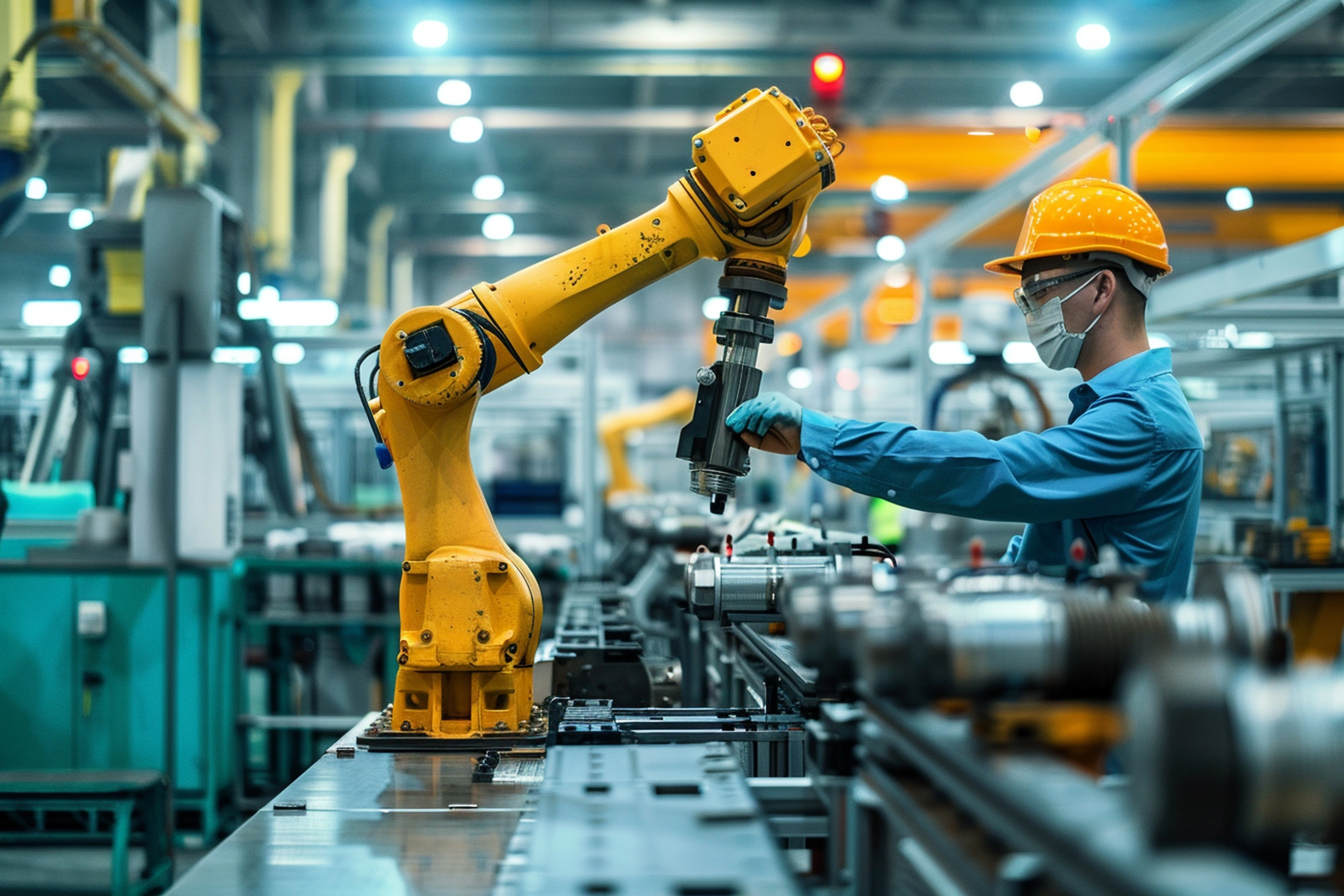
A few years ago, a factory visit meant watching long rows of workers repeating the same motions hour after hour. Today, that same walk through a modern plant feels completely different. Machines adjust themselves, sensors track every movement, and robotic arms work with a level of precision that humans simply can’t match.
This incredible shift is the result of something we now broadly call industrial automation.
For people outside manufacturing, it can sound like a buzzword. But for anyone involved in production, it has become the backbone of efficient operations. Companies like Master Linque Automation are helping factories step into this smarter, more reliable way of working.
What Is Industrial Automation? (In Real Words)
Textbook definitions often feel cold, so let’s put it simply:When we define industrial automation, we’re talking about using machines, software, and control systems to handle tasks that once required manual effort. It’s the shift from “people operating machines” to “machines operating themselves—with people just guiding the bigger picture.”
That’s the heart of what industrial automation is.
Why Industrial Process Automation Is Growing So Fast
Manufacturers aren’t automating just because it sounds modern—they’re doing it because the old way isn’t enough anymore.Deadlines are tighter, quality standards are higher, and margins keep getting squeezed.
By adopting industrial process automation, companies can:
- Reduce errors that come from repetitive human tasks
- Improve consistency across shifts and departments
- Increase speed without sacrificing accuracy
- Create safer conditions by removing workers from dangerous areas
It’s not about replacing people—it’s about giving people time to solve real problems instead of fighting fires on the production floor.
Real Industrial Automation Examples You See Every Day
Automation isn’t hidden in some futuristic lab; it’s happening right now in very familiar places:
- Robotic arms assembling car door frames
- Inspection systems using cameras to spot defects
- Conveyor belts adjusting their pace automatically
- Machines packaging hundreds of products per minute
- CNC equipment carving metal with microscopic precision
These industrial automation examples show just how far industries have come in a short amount of time.
Types of Industrial Automation Explained Simply
There are several types of industrial automation, and each has its own place:
1. Fixed AutomationDesigned for mass production. Once set up, it doesn’t change much. Great for consistent, high-volume output.
2. Programmable AutomationUsed in batch production. You can change the program when a new product run begins.
3. Flexible AutomationA step up from programmable—these systems switch tasks with minimal downtime.
4. Integrated AutomationEverything is connected: machines, software, sensors, robotics. It creates a truly smart factory environment.
When manufacturers review industrial automation types, they usually pick a mix that matches how flexible or stable their production needs to be.
Industrial Automation and Robotics: The Perfect Partners
Robotics has become the most visible face of automation. Walk into almost any facility and you’ll see robots working beside people (sometimes quite literally).
This rise in industrial automation and robotics has led to a huge boom in industrial robotic arm manufacturers, offering robots for welding, painting, assembly, material handling, and more.
These robots don’t argue, don’t take breaks, and don’t lose accuracy halfway through a shift—and that reliability is transforming entire industries.
Where Industrial Automation Solutions Come In
Even the best technology won’t help if it’s not selected and integrated properly.
That’s why companies look for tailored industrial automation solutions—not just equipment.
A complete solution often includes:
- Custom control panels
- PLC and SCADA programming
- Robotics integration
- Machine vision for quality control
- Motion control systems
- Ongoing service and optimization
This is exactly where experienced industrial automation companies stand out. They don’t just sell hardware; they help manufacturers rethink their processes from the ground up.
Why the Right Automation Partner Matters
It’s easy to buy a robot. It’s hard to make that robot fit seamlessly into a real production line.
The best automation partners offer:
- Practical engineering experience
- A strong understanding of the industry
- Long-term technical support
- Customized planning and installation
That’s why companies looking for reliable automation solutions often turn to specialists like Master Linque Automation, who focus on building systems that genuinely improve performance instead of just adding fancy technology.
Final Thoughts
Industrial automation isn’t about replacing workers or building a factory full of robots. It’s about helping companies stay competitive, produce better products, and create safer and smarter workplaces.
Whether you’re exploring industrial automation examples, comparing types of industrial automation, or simply trying to understand how automation and robotics fit together, one thing is clear:
Automation is shaping the future of global manufacturing—quietly, steadily, and more effectively than most people realize.